
How To Be Happy Without Achieving Your Goals
You think perfection is required. It isn't. And it's costing you years of your life + 5 Reasons Elders Are Happier Than Us

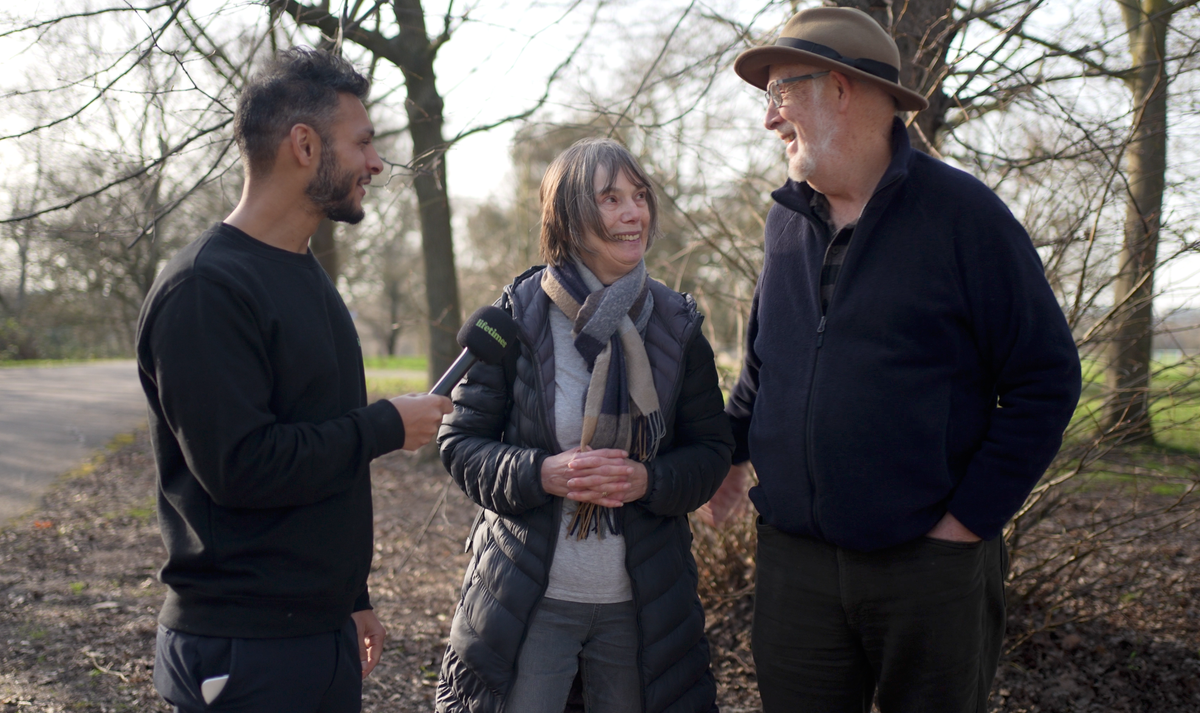
Series: What Elders Wish You Knew
Most people spend the first half of their lives chasing perfection
and the second half realising perfection was never required.
We live under the illusion that success means hitting every goal, avoiding every mistake, proving ourselves endlessly — but the people who've lived long enough to see what actually matters tell a different story:
Life gets better slowly, not suddenly.
You don’t need to achieve everything.
The real turning point? It’s rarely a single moment.
When I asked two people in their 70s what they’d tell their 18‑year‑old selves, the answers were quiet but powerful:
“It will be all right.”
“You can’t be perfect - you just do your best.”
“You won’t hit every goal. You don’t need to.”
Not dramatic.
Not cinematic.
Just true.
Most mindset shifts don’t arrive as lightning bolts — they arrive as incremental good things, as our interviewee put it. Perspective expands through lived experience, not sudden realisation.
And science agrees.
Why older people feel less pressure — and why you don’t
1. Regret research shows you’ll care more about inactions, not imperfections.
Decades of psychological research finds that inaction regrets grow over time, but regrets about mistakes shrink.
We get over what we did.
We struggle with what we never attempted.
Perfectionism pulls you toward inaction, not growth.
2. Time feels faster as we age — making small stresses look insignificant.
Studies on subjective time perception show that older adults experience time as moving quicker, especially during productive years.
This accelerates perspective: you see what isn’t worth carrying.
The things you obsess over at 18 or 25 simply don’t hold the same weight at 70.
3. The pressure to be perfect is a modern problem, not a human requirement.
We live in an age of rising expectations and collapsing tolerance for faults.
Social comparison is relentless.
Perfectionism is rewarded but not sustainable.
Older generations speak of growing up with room for mistakes — and how that room shrank for younger people.
4. Self‑acceptance increases with age because the brain prioritises emotional meaning.
Socioemotional Selectivity Theory shows that as time horizons shorten, people shift toward emotional well‑being over achievement.
They become more tolerant, more forgiving, more grounded.
This isn’t decline — it’s wisdom.
So how do you bring that wisdom into your life now, not decades from now?
1. Stop measuring your worth by your goals.
Your goals matter, but they aren’t your identity.
Missing one doesn’t make you a failure.
Ask: If this goal disappeared tomorrow, who would I still be?
2. Replace perfection with perspective.
When you catch yourself spiralling about a mistake, ask:
Will this matter in 1 year? 5 years?
Most things dissolve under the weight of time.
3. Practice “good enough” decisions.
Research on decision avoidance shows that people avoid acting because they fear regret — but “doing nothing” carries its own regret over time.
Choose small action over flawless planning.
4. Lower your expectations of others - and watch your peace rise.
Most frustration comes from expecting people to be what they aren’t.
Shift from perfect to human, and relationships become easier.
5. Treat life like a series of adjustments, not a flawless execution.
Older adults repeatedly cite the same truth:
You won’t achieve everything.
You won’t get everything right.
And that is okay.
More than okay — it’s normal.
Remember: Perfection isn’t the requirement for a meaningful life.