The Man Who Walked Across a Continent for Jimi Hendrix
A 19‑year‑old from Tanganyika hitchhiked 4,000 miles through war zones, deserts, and borders to London; and at 80, he reveals the radical independence that shaped his life.


From Tanganyika to London: the untold 4,000‑mile odyssey that turned a boy into a man and the wisdom he wants the next generation to know.
Full conversation:
On YouTube: https://www.youtube.com/watch?v=WMSKmcYopag
On Spotify:
Excerpt
"Nothing is impossible," he says, leaning back with a glass of Famous Grouse. "Only your thinking makes it so."
To meet him today, you see a man of 80 who enjoys the finer things, and everything, life has to offer him: whiskey (neat, never with ice), travel, trusted relationships, and sharp conversation. But the man sitting in front of me was forged in a different world. He was born in Mwanza, in a country that no longer exists (called Tanganyika), in a house with no running water, where the "water man" brought buckets from the river on a bamboo pole.
His life is a masterclass in making a pivot and not looking back. From a military boarding school in Pune, India, to hitchhiking through war zones in Sudan and Ethiopia, his story isn’t just about travel... it’s about the exact moment a boy decides to become a man.
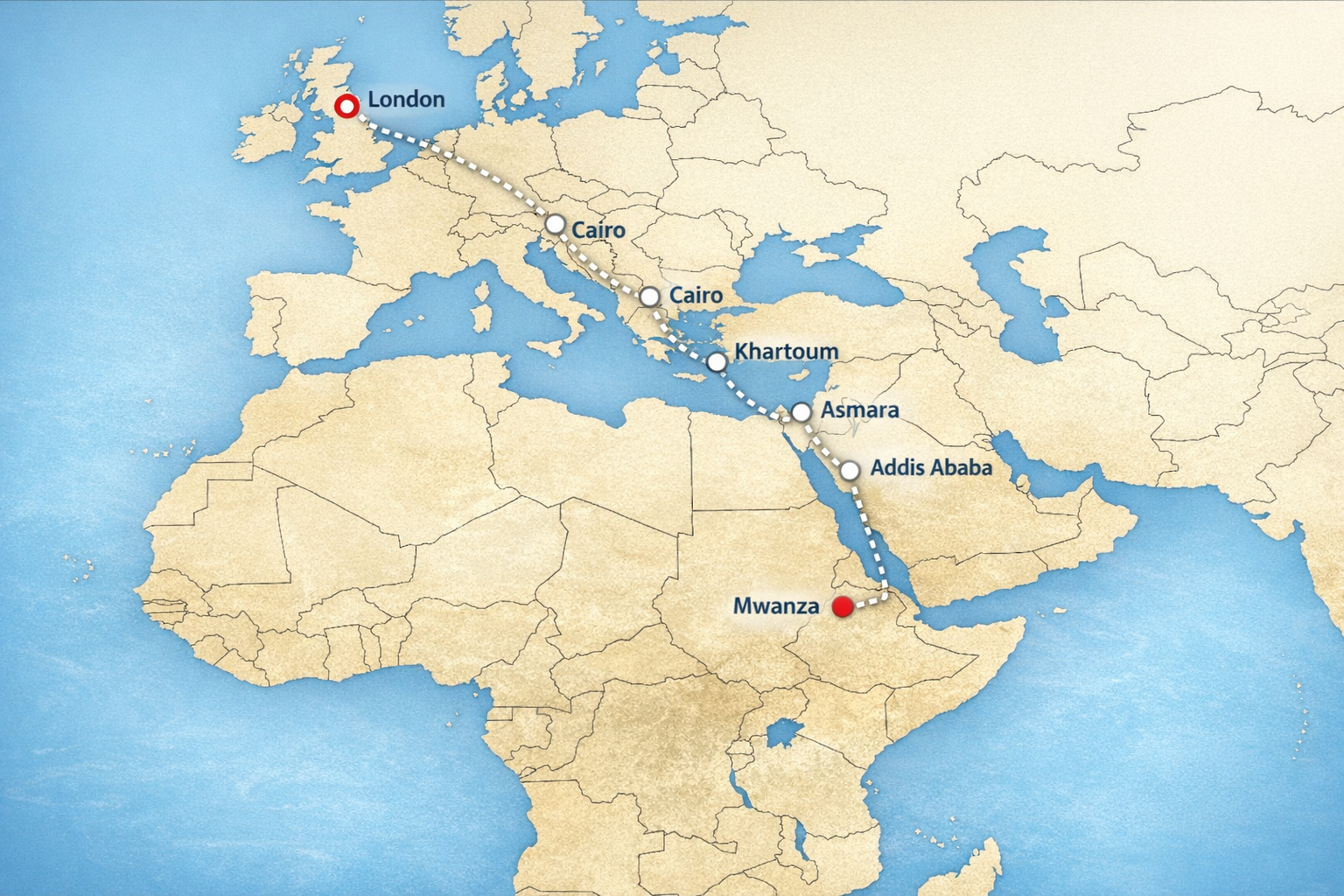
Route: Tanganyika → Sudan → Ethiopia → Egypt → London (and now based in India)
Year of Migration: Circa 1970 (The Post‑Independence Migration Wave)
The Core Theme: Radical independence & the courage to leave home and reinvent yourself in a world without safety nets.
The Story
- Part 1: The Long Way Home
From the Shores of Lake Victoria to the Streets of London: The 6-Month Hitchhike of 1969.
When he was 15, his parents sent him from Tanzania to a military school in Pune, India. It was a move born of necessity - post-independence Tanzania was shifting to Swahili-only education, and he couldn't write the grammar.
Those three years in India didn't just give him an education; they gave him a spine of steel. "They told me nothing is impossible," he recalls. "Only your thinking makes it so."
But when he returned to Africa at 18, he found himself at odds with his father. After a heated argument, he was asked to leave. With a British passport and a burning desire to see Jimi Hendrix in London, he didn't look for a travel agent. He went to the library.
The Library Heist
At the Nasser Virji Library in Mwanza, he found the atlases. He didn't just study them; he tore out the pages he needed - a paper trail from Tanzania to the English Channel. Along with a friend, he "hustled" a letter from a local official. It was a masterclass in bluffing: they claimed to be researchers proving that civilization began in the Rift Valley. With that stamped letter and a backpack, they started walking.
The Route of the Prostitutes and War Zones
His journey was a map of 20th-century geopolitical tension:
- The Border Blocks: In 1970, Sudan was fractured by war. Blocked at the border, they pivoted to Ethiopia.
- The Nile Bridge: They crossed the bridge where the White and Blue Niles merge, walking through an active war zone in Asmara while the city fought for independence from Ethiopia.
- The "Khartoum Express": To get across the desert, they hitched a ride on the only vehicle moving: a van deporting twenty Sudanese prostitutes back to the capital. "Just two of us and twenty women, traveling through the desert," he laughs.
The Princess and the Queen
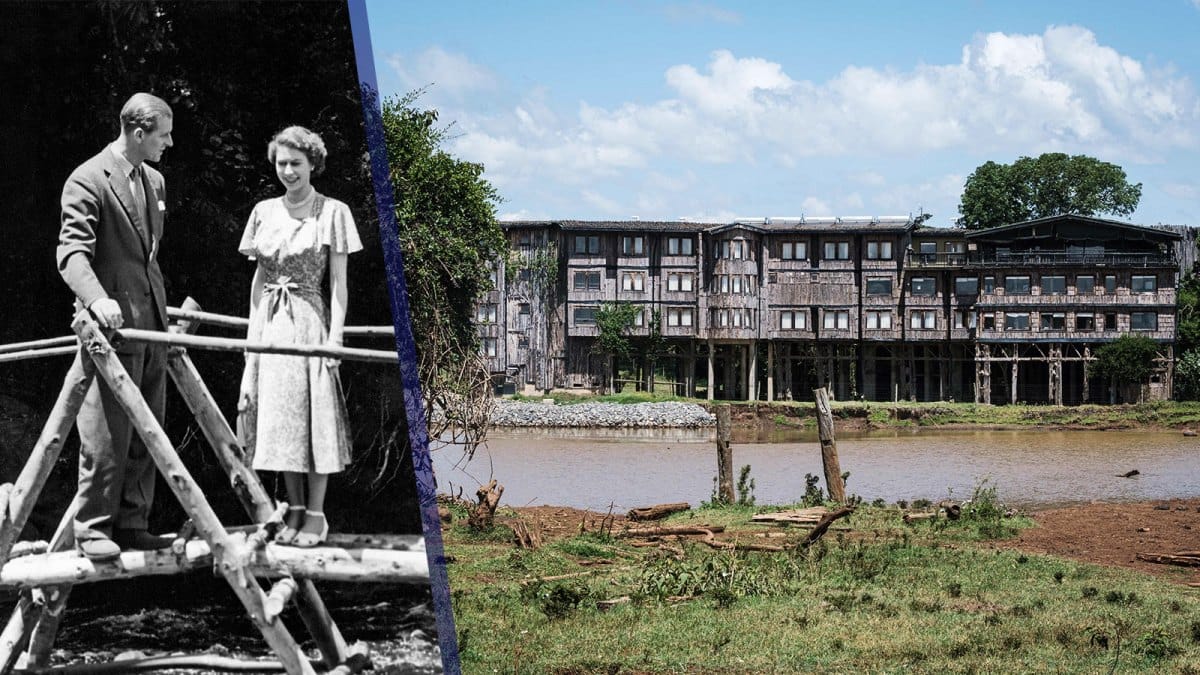
One of the most standout moments of his trip occurred at the Treetop Hotel in Kenya. He learned the story of a young Princess Elizabeth who climbed the stairs into the trees one night in 1952. While she slept, her father, King George VI, passed away.
"She climbed up a Princess," he says, "and she climbed down a Queen." It’s a metaphor that mirrors his own journey: he started as a boy fleeing a family argument and arrived in England six months and six days later as a man who knew he could survive anything.
My Reflections
Three Rules for a Life Well-Lived
After 80 years, and 6,000 miles on foot, here's what I took from his story & wisdom:
- The Roll-Up Rule: "When you are a guest, make sure the host thinks, 'I hope he comes back,' not 'Thank God he's gone.' Roll up your mattress. Be helpful. Treat everything as if it belongs to you."
- The "Namaste Maji" Hack: "Learn one sentence in the local language. If you tell a mother you are hungry in her own tongue, she will feed you like a son. Language is the key to the world’s heart."
- The Radical Independence: "Don't be afraid to go against your parents, your society, or your beliefs. You can only fail once. But if you don't try, you'll spend your whole life looking over your shoulder saying, 'If only I had...'"
Visual Elements (The "Every" Aesthetic)
- The "Then & Now" Image: If possible, ask them for an old passport photo or a photo from their first year in the new country. Place it side-by-side with your modern portrait of them.
- The Map: Use a simple screenshot of a map showing the journey. You can use the
/imagecard with a caption like: "The 4,000-mile journey from Entebbe to Stansted."