The Architecture of Legacy: 4 Story Blueprints Every Child Needs
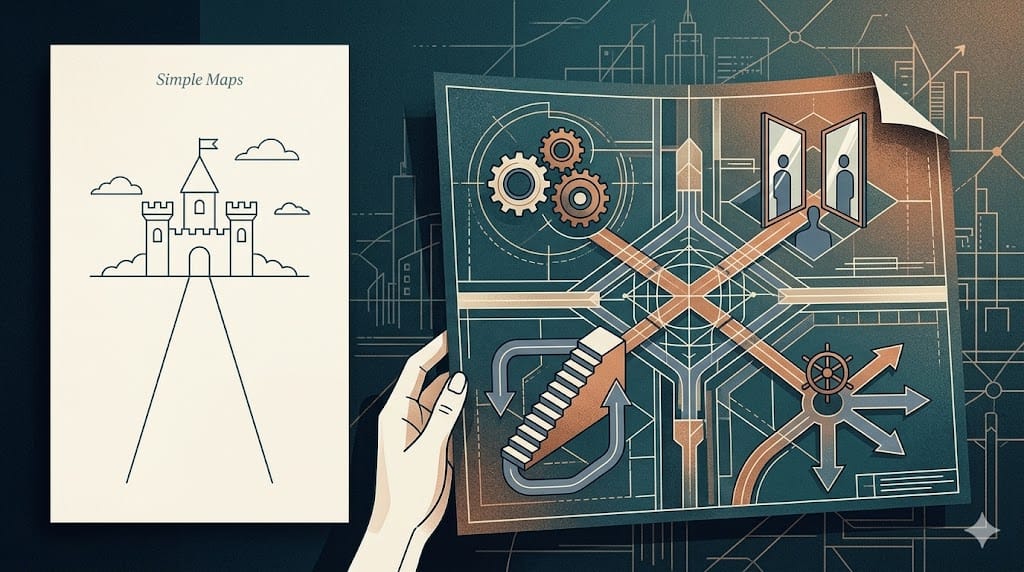
When you read a story to a child, you aren’t just passing the time. You are handing them a cognitive map. You are showing them how the world works, how people treat each other, and what is possible when things go wrong.

We spend years saving for our children’s futures. We pick the right schools, worry about their nutrition, and obsess over their screen time. But we often overlook the most powerful thing they will actually inherit: The stories we tell them.
When you read a story to a child, you aren’t just passing the time. You are handing them a cognitive map. You are showing them how the world works, how people treat each other, and what is possible when things go wrong.
The problem? Most of the "maps" we give children are too simple. They feature lone heroes, villains who are mean for no reason, and "chosen ones" who win because they are special, not because they are capable.
If we want a generation that can solve complex problems, we have to move past "inspirational fluff." We need to provide these 4 Story Blueprints.
1. The "Team" Blueprint (Interdependence)
Most children’s media is obsessed with the "Lone Hero" - the one person who saves the day while everyone else watches. This creates a myth that you have to be a superhero to make a difference.
- The Lesson: Real change is a team sport. In the real world, big problems are solved by systems, infrastructure, and community cooperation.
- The Shift: Look for stories where the "win" depends on a group of neighbours, a family, or a crew working together.
- The Question: Next time you finish a book, ask: "Who else helped the hero? Could they have done it alone?"
2. The "Both Sides" Blueprint (Complex Conflict)
In cartoons, the bad guy is usually a monster who wants to destroy the world just because. In reality, conflict usually happens because two decent people want different things.
- The Lesson: Most people believe they are the hero of their own story. To navigate life, you have to understand the motivations of the person across from you.
- The Shift: Find stories where there isn't a "bad guy" or someone who's wronng - just a misunderstanding or a difference of opinion that requires a compromise.
- The Question: Ask your child: "What do you think the other person wanted? Why were they upset?"
3. The "Try Again" Blueprint (Iteration over Talent)
We often celebrate "natural talent" or "destiny." This is dangerous because it makes children feel like failures the moment they aren't perfect.
- The Lesson: Success isn’t about being special; it’s about being observant. It’s about making a mistake, analysing why it happened, and adjusting the plan.
- The Shift: Focus on characters who fail repeatedly. Ensure the climax of the story comes from their effort and their ability to learn from a previous mistake, not from luck or a "superpower."
- The Question: Ask: "What did they learn when they messed up the first time? What did they change?"
4. The "Steering Wheel" Blueprint (Agency)
It’s easy for kids to feel like life is just something that happens to them. They need to know they can grab the steering wheel.
- The Lesson: You are not a passenger in your own life. You have the power to step outside of the "expected script" and change an outcome.
- The Shift: Look for stories where a character sees a flaw in the way things are "always done" and makes a conscious, difficult choice to try a new path.
- The Question: Ask: "Did they have to do that? What would have happened if they just followed the rules?"
The 60-Second "Story Audit"
You don't need to throw out your current bookshelf. You just need to change the lens. Tonight, after you finish reading, don't just close the book. Spend 60 seconds running an audit:
- Who helped? (Breaks the lone-hero myth).
- What did the "other side" want? (Builds perspective).
- How did they adjust after failing? (Encourages a growth mindset).
Your children will inherit your house, but they will live by the stories you tell them. Make sure those stories are worth living by.
If you found this framework useful, subscribe below. I send out one deep-dive a week on how to build a legacy that actually matters, moving past the fluff and into the blueprints.