The Beauty Tax: Why We Only Appreciate Our Younger Selves in Retrospect
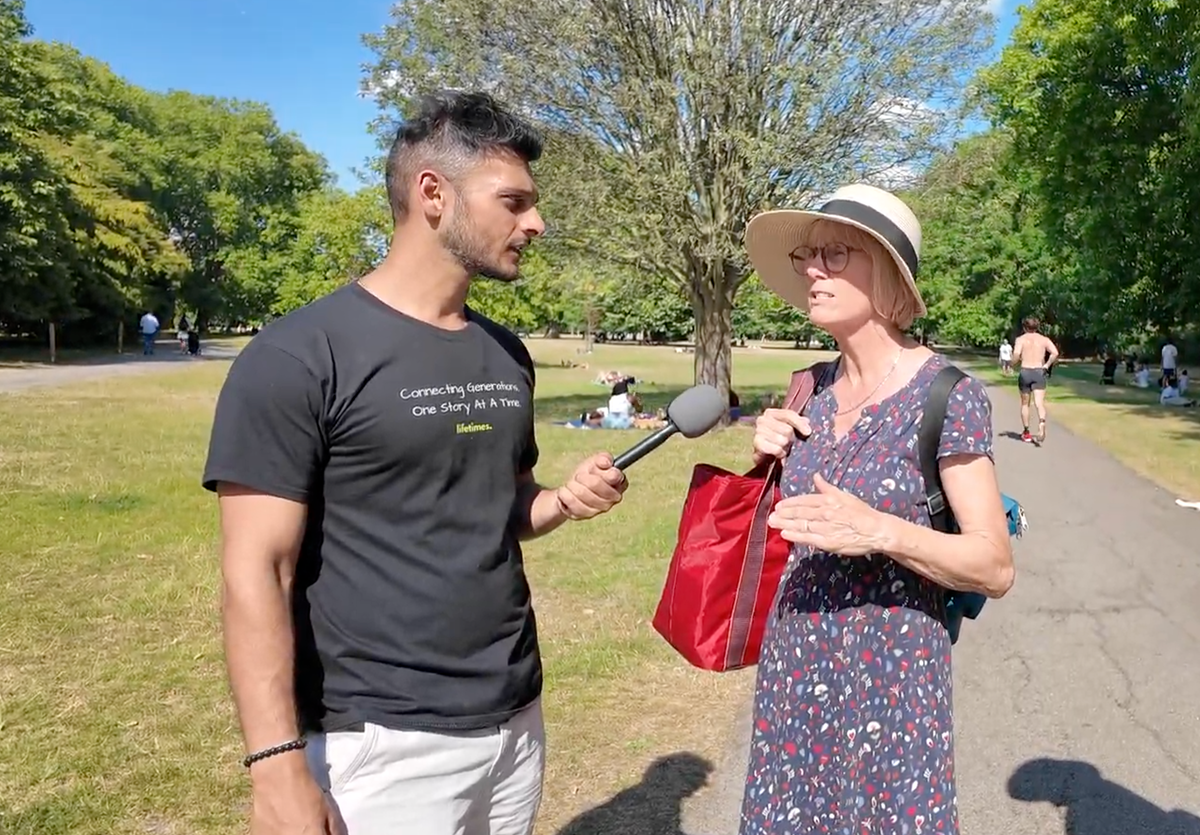
I met her on a Tuesday in London. She had one piece of advice for her younger self that changed how I look in the mirror."

"I wish I wasn’t so critical of myself at the time."
I met Margaret on a crisp Tuesday afternoon. She was 78, wearing a coat the colour of dried lavender and a smile that suggested she had solved a puzzle the rest of us were still struggling with.
When I asked her what advice she would give her younger self, she didn’t talk about career paths or financial investments. She talked about a mirror.
The Looking-Back Trap
"I look at photos of myself from when I was twenty, thirty, or even forty," she told me, a slight shake of her head accompanying the memory. "And I remember how I felt on the days those photos were taken. I thought I was too big. I thought my skin was wrong. I thought I looked tired."
She paused, looking at the screen of my camera as if she could see her younger self reflected in the lens.
"Now, forty years later, I look at those same photos and I think: 'My God, you were beautiful. What on earth were you so worried about?'"
The Cost of Criticism
Margaret’s story reveals a universal human glitch. We are structurally incapable of appreciating our own aesthetic "peak" while we are standing on it. We pay a "Beauty Tax" - a constant, draining levy of self-criticism that we pay every single morning in front of the bathroom mirror.
We wait decades for the "permission" of old age to finally admit that we were, in fact, stunning. We trade our present-day confidence for a future-dated nostalgia.
Borrowing the Eyes of the Future
The tragedy Margaret describes isn't just about vanity; it’s about a loss of presence. By criticising the version of ourselves that exists today, we are effectively robbing our future selves of their own peace.
Her advice was simple, yet radical: Borrow the eyes of your 80-year-old self today.
Don't wait forty years to realise that the person you see in the mirror right now is someone you will one day look back on with deep, aching fondness. Skip the decades of criticism. Stop paying the tax.